经济学人
Self-Silencing Is Making Women Sick
“Be more disappointing” is not a piece of advice most people would pay money to hear, but in my therapy office, it’s often the most valuable guidance I can give. My clients are mostly women, and nearly all of them struggle with a fear of disappointing others. Our culture rewards women for being perpetually pleasant, self-sacrificing, and emotionally in control, and it can feel counterintuitive for my clients to say “no”—or firmly assert their wants and needs. But my work is about helping them realize that their health might literally depend on it.
“更加令人失望”并不是大多数人愿意付钱去听到的建议,但在我的治疗办公室里,这往往是我可以给予的最有价值的指导。我的客户主要是女性,几乎所有人都在努力不让别人失望。我们的文化奖励女性永远愉快、自我牺牲和情绪控制,并且我的客户感觉说“不”或坚决表达他们的需求和想法是违背直觉的。但是,我的工作是帮助她们意识到她们的健康可能完全依赖于此。
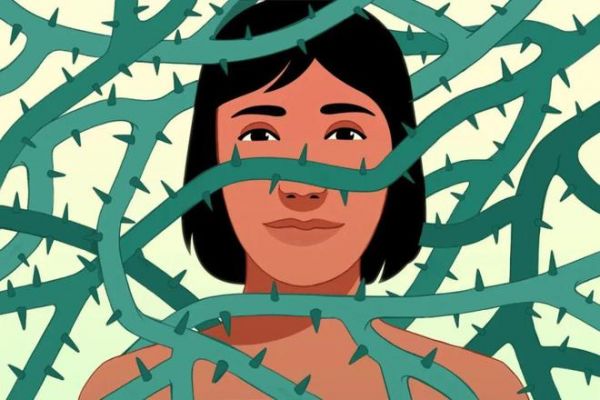
Today, women account for almost 80% of autoimmune disease cases. They are at a higher risk of suffering from chronic pain, insomnia, fibromyalgia, long COVID, irritable bowel syndrome, and migraines, and are twice as likely as men to die after a heart attack. Women experience depression, anxiety, and PTSD at twice the rate of men, and face a ninefold higher prevalence of anorexia, the deadliest mental health disorder.
如今,女性占自身免疫病例的近80%。她们患慢性疼痛、失眠、纤维肌痛、长期COVID、肠易激综合症和偏头痛的风险更高,心脏病发作后死亡的可能性是男性的两倍。女性经历抑郁、焦虑和创伤后应激障碍(PTSD)的速率是男性的两倍,并且面临着患厌食症(这是最致命的心理健康障碍)的风险高出九倍。
Why is it that women are falling ill to these diseases at a rate so much higher than men? Such jarring disparities cannot be accounted for by genetic and hormonal factors alone; psychosocial factors play an important role as well. Specifically, it seems that the very virtues our culture rewards in women—agreeability, extreme selflessness, and suppression of anger—may predispose us to chronic illness and disease.
为什么女性患这些疾病的比率比男性高得多?这样骇人的差异不能仅由基因和激素因素来解释;心理社会因素也起着重要的作用。具体来说,似乎我们文化中奖励女性的很多美德——如愉快、极端无私和抑制愤怒——可能会让我们更易患慢性疾病。
In the late 1980s, Harvard-trained psychologist Dana Jack identified a recurring theme among female patients suffering from depression: a tendency to self-silence, defined as “the propensity to engage in compulsive caretaking, pleasing the other, and inhibition of self-expression in relationships in an attempt to achieve intimacy and meet relational needs.” Through longitudinal research, Jack found that this learned behavior, strongly rooted in gender norms, was linked to an increased risk of depression.
在20世纪80年代末,哈佛训练有素的心理学家Dana Jack发现了患有抑郁症的女性患者中的一个反复出现的主题:一种自我沉默的倾向,定义为“倾向于在关系中进行强迫性照顾、取悦他人和抑制自我表达,以试图实现亲密和满足关系需求”。通过纵向研究,Jack发现,这种深深植根于性别规范的学到的行为,与抑郁症的风险增加有关。
Since then, considerable evidence has revealed that female self-silencing isn’t just tied to psychological issues like depression and eating disorders, but also to physical illness. For instance, in March of 2022 a team of researchers at the University of Pittsburgh discovered that women of color who strongly agreed with statements like “I rarely express my anger to those close to me,” were 70% more likely to experience increased carotid atherosclerosis, a cardiovascular plaque associated with higher risk of heart attack. Other studies have connected self-silencing to irritable bowel syndrome, HIV, chronic fatigue syndrome, and cancer among women.
从那时起,大量证据表明,女性的自我沉默不仅与抑郁症和饮食失调等心理问题有关,还与身体疾病有关。例如,在2022年3月,匹兹堡大学的一个研究团队发现,颜色较深的女性如果非常同意“我很少向亲近的人表达我的愤怒”之类的说法,那么她们患颈动脉粥样硬化症的可能性就会增加70%,这是与心脏病发作风险增加有关的一种心血管斑块。其他研究也将自我沉默与女性的肠易激综合症、艾滋病、慢性疲劳综合症和癌症联系起来。
Most jarringly, women’s self-silencing has also been linked to higher risk of premature death. In one study, researchers followed nearly 4,000 people in Framingham, Massachusetts over 10 years. They found that women who didn’t express themselves when they had fights with their spouses were four times more likely to die than those who did. This was true even when factors such as age, blood pressure, smoking, and levels of cholesterol were taken into account.
最震惊的是,女性的自我沉默还与早逝的风险增加有关。在一项研究中,研究人员跟踪了马萨诸塞州弗拉明汉的近4000人10年。他们发现,在与配偶吵架时不表达自己感受的女性比那些表达自己感受的女性死亡的可能性要高四倍。即使考虑到年龄、血压、吸烟和胆固醇水平等因素,这也是正确的。
When women push their feelings down and cast their needs aside, their health suffers. But it can be difficult for women to do otherwise in a culture that celebrates these self-silencing practices. While young women are praised for “being chill,” moms are revered for being painstakingly altruistic to the point of self-abnegation. These unspoken standards establish a vicious cycle. For many women, it feels easier—beneficial, even—to silence their needs at the expense of their own health, rather than swim against the prevailing cultural current.
当女性压抑她们的感觉并把她们的需求放在一边时,她们的健康会受到影响。但在一个庆祝这些自我沉默做法的文化中,女性很难做到其他。年轻女性因为“保持冷静”而受到赞扬,而母亲们因为精心地无私到自我消除的地步而受到尊敬。这些不言而喻的标准建立了一个恶性循环。对许多女性来说,沉默她们的需求以牺牲她们自己的健康似乎更容易——而不是逆着主流文化的潮流而行。
In his best-selling book, The Myth of Normal, physician and author Gabor Mate writes that many of our society’s most “normalized ways of being”—the qualities we regard as “admirable strengths rather than potential liabilities”—are, in fact, incredibly toxic. “That ‘not listening to self’ in order to prioritize others’ needs is a significant source of the health-impairing roles women assume,” Mate explains. “It is among the medically overlooked but pernicious ways in which our society’s ‘normal’ imposes a major health cost on women.”
在他的畅销书《正常的神话》中,医生和作家Gabor Mate写道,我们社会中许多最“正常的生活方式”——我们认为是“令人钦佩的优点而不是潜在的弊端”的品质——实际上是非常有毒的。“为了优先考虑别人的需求而‘不听从自己’是女性承担损害健康角色的一个重要原因,”Mate解释道。“这是我们社会的‘正常’以一种被医学忽视但有害的方式对女性造成重大健康成本的方式之一。”
It seems that the virtues of womanhood are not really virtuous after all; instead, they are wreaking havoc on our bodies and our health. And the way they often do so is through these seemingly “normal,” daily experiences that slowly, over time, chip away at our vitality and erode our well-being. My clients tell me things like, “I don’t deserve to put my needs first. I’m not the breadwinner,” or “I said ‘yes,’ even though I didn’t want to.” In their gradual attempt to be what society considers “good,” they run the risk of compromising their health.
似乎女性的美德并不真正有美德;相反,它们在我们的身体和健康上造成了破坏。它们通常通过这些似乎“正常”的、日常的经历慢慢地削弱我们的活力并损害我们的幸福感。我的客户告诉我诸如“我不配优先考虑我的需求。我不是家庭的经济支柱”,或者“我说‘是的’,即使我不想这样做”。在他们渐渐尝试成为社会认为的“好人”的过程中,他们冒着损害健康的风险。
As a psychologist, it can sometimes feel challenging to help my clients take back their emotional and physical health when they are contending against a complex cultural system that is reinforcing them to do the opposite. However, I have found that there are some tangible changes that really do, in practice, make a difference.
作为心理学家,当我的客户在与一个复杂的文化系统作斗争时,帮助她们重新获得情感和身体健康有时会感觉很有挑战性,这个系统是在强化她们做相反的事情。然而,我发现实际上有一些实际的变化确实有所作为。
It can be paradigm shifting to understand that behind every emotion exists a need. Anger, for example, can signify the desire to change our current circumstances. Rather than women treating our emotions as inconvenient, bodily malfunctions best to be muted and ignored, we can teach ourselves to view them as windows of insight. Instead of casting away our anger, a valuable question we can ask ourselves in moments of frustration is: what am I needing right now?
理解每种情绪背后都存在一个需求可能会改变我们的思考方式。例如,愤怒可以表示改变我们当前情况的愿望。我们不应该将我们的情绪视为最好被消除和忽视的不便的身体故障,而应该教会我们自己将它们视为洞察的窗口。我们可以问自己一个有价值的问题,而不是抛弃我们的愤怒:我现在需要什么?
Another practice, closely related, is boundary setting. For women, who have been unconsciously taught to view our likability as our greatest asset, boundary setting can often feel counterintuitive. Many of us fear that if we honestly communicate our needs and limitations, this will threaten our relationships. But it’s the contrary that’s true: when we set heathy boundaries (rather than toxic ones that can lead to radical individualism) our relationships actually become stronger and healthier. And having healthy relationships is integral to our physical well-being; one meta-analysis showed that people with more supportive social relationships have a 50% lower risk of premature death.
另一种做法是设置边界。对于我们这些在无意识中被教导将我们的受欢迎程度视为我们最大的资产的女性来说,设置边界往往感觉违背直觉。我们中的许多人担心,如果我们诚实地传达我们的需求和限制,这将威胁到我们的关系。但相反是真的:当我们设置健康的边界(而不是可以导致极端个人主义的有毒边界)时,我们的关系实际上变得更加强大和健康。拥有健康的社交关系对我们的身体健康至关重要;一项元分析显示,拥有更多支持性社交关系的人早逝的风险降低了50%。
To reshape the virtues of womanhood, a new “normal” needs to emerge—one in which we honor our emotions, prioritize our needs, and actively communicate our boundaries. Such a shift requires change on both the individual and societal level, and will by no means by easy. But it’s certainly worth it—after all, women’s lives depend on it.
为了重塑女性的美德,需要出现一个新的“正常”——在其中我们尊重我们的情感,优先考虑我们的需求,并积极传达我们的边界。这样的改变需要在个人和社会层面上进行变化,并且绝不会容易。但这绝对是值得的——毕竟,女性的生活依赖于它。
相关知识
饮食经济学
行为经济学与公众健康
健康经济
一个经济学家的怀孕指南
绿色经济
哪个正确?经济性贬值=重置成本×经济性贬值率经济性贬值=(重置成? 爱问知识人
国家发改委:银发经济包含“老龄经济、备老经济”两个方面
经济压力感知对高校学生心理健康的影响
茶文化的经济发展作用(茶文化的经济价值)
低空经济行业报告
网址: 经济学人 https://m.trfsz.com/newsview541957.html